October 8, 2026
Why Culture and Technology Belong in the Same Conversation as Legal Work
By Frank Lauletta
By Frank Lauletta, Philadelphia, PA
The Old Model Does Not Match How Good Lawyers Actually Work
For a long time, the assumption in this field was simple: long hours equal good lawyering. Billable hours became a proxy for commitment, and firms built their entire culture around being available at all times. I never bought into that trade. A tired lawyer makes more mistakes, not fewer. A firm that treats burnout as a badge of honor is not protecting its clients, it is just hiding the cost.
I think about culture, technology, and balance as three parts of the same question: how do you build an environment where good legal work actually happens, day after day, without wearing people down.
Culture Is Not a Perk, It Is Infrastructure
I hear "firm culture" talked about like it is a nice extra, something you add once the real work is done. I see it differently. The way a team interacts outside of deal documents and depositions affects how they communicate inside them.
At our firm, Friday lunches bring in everyone, not just the attorneys. There is a central room with ping pong and cornhole, and people use it daily, not as a gimmick but as a way to reset between hard tasks. We run a yearly charity ping pong tournament for An Opportunity's Knockin', which gives the competitive streak in the office somewhere useful to go. Outside the office, people play pickleball together, go mountain biking, or just get together for a barbecue.
None of that replaces the work. It changes how people show up for it. A team that knows each other outside of a conference room tends to ask better questions inside one.
What I Think About When I Think About Technology
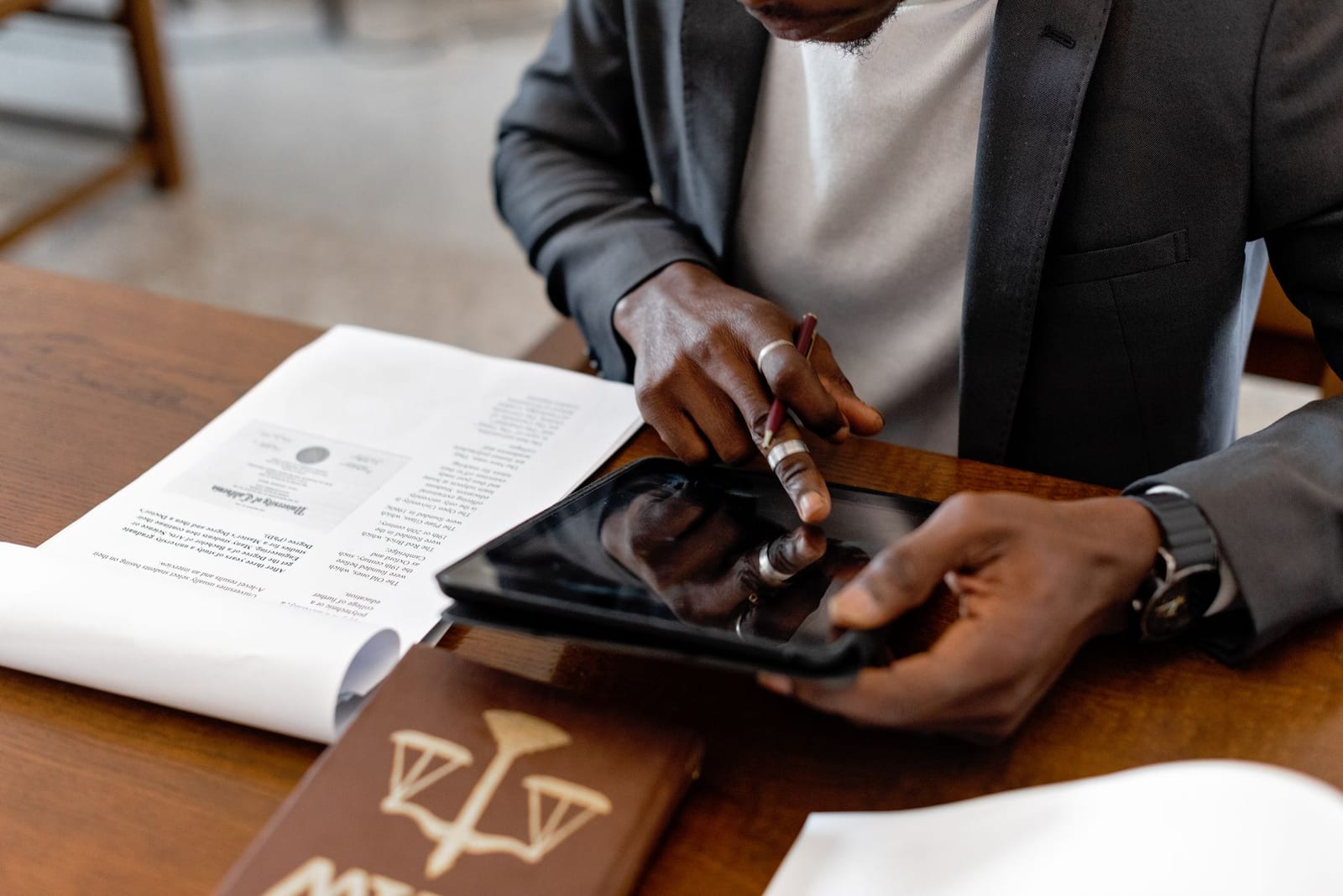
I have spent time writing about how artificial intelligence fits into legal work, because I think the question deserves a real answer instead of a reflexive one. Some lawyers treat new tools as a threat to the profession. I do not see it that way.
AI is useful for proofreading and catching things a tired set of eyes might miss. It can flag a gap in a contract or a blind spot in a draft before it becomes a problem for a client. That does not make it a substitute for judgment. It makes it a second set of eyes that never gets tired.
My view is practical: you cannot stop the tide of change in how legal work gets done, so the better use of energy is figuring out how to use new tools well. The lawyers who ignore that shift are not protecting the profession, they are just falling behind the clients who have already adopted it elsewhere in their businesses.
Balance Is a Decision, Not an Accident
I am a black belt in Brazilian Jiu-Jitsu, and I spend a lot of time outdoors, snowboarding in the winter and mountain biking or hiking the rest of the year. I bring that same attention to health into the office, with fresh fruit, lower-fat snacks, and good coffee available instead of vending machine food.
That is not about optics. People think better and make fewer errors when they are not running on empty. A firm that wants sharp legal work from its people has to think about what keeps them sharp.
Balance also means recognizing that people's lives do not stop at the office door. Team members have kids in sports, aging parents who need support, and interests that have nothing to do with the law. Treating that as a distraction from the work misses the point. People who feel like they have room for their own lives tend to stay longer, think more clearly, and bring more to the table when it matters.
The Connection Between the Three
None of this works in isolation. Technology without a culture that trusts people to use it well just becomes another layer of oversight. Culture without attention to the actual demands of legal work becomes a social club that does not hold up under pressure. Balance without the first two is just a slogan.
What I am after is simpler than any of that: a place where the work is taken seriously and the people doing it are too. That is not a trend. It is just a better way to practice law.